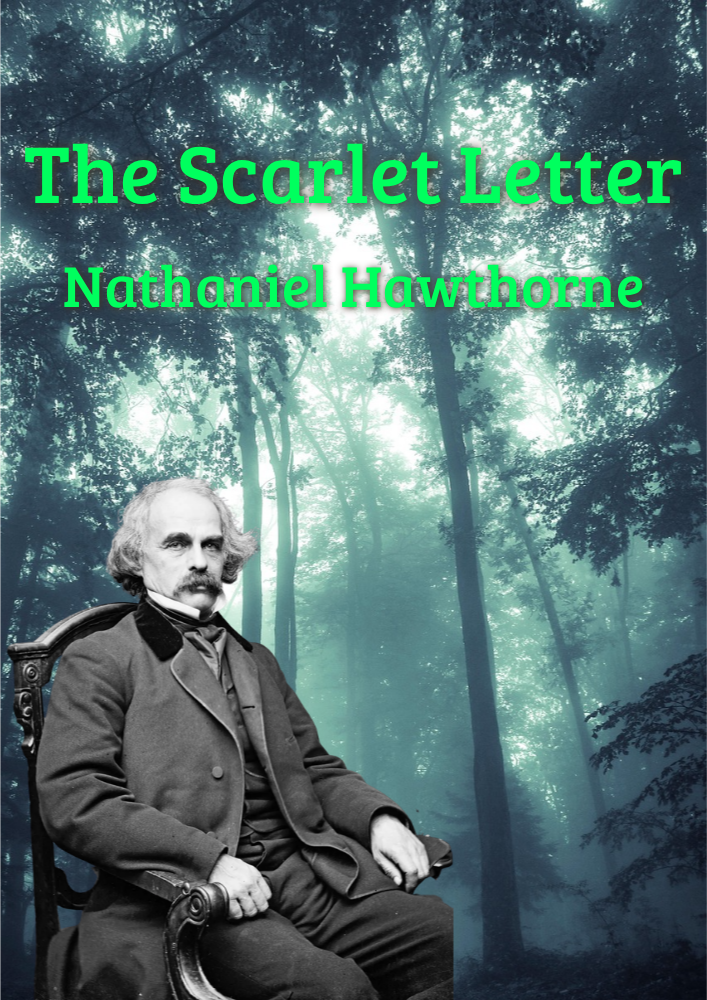
Story:
In Puritan Boston, Hester Prynne emerges from prison carrying an infant and wearing the scarlet letter A. She refuses to name the child's father and builds a life at the edge of the settlement, watched by a community eager to turn her into a lesson. Meanwhile, the concealed father and Hester's estranged husband carry their own secrets, and public punishment spreads into private guilt and revenge.
Reading Highlights:
Hawthorne calls the book a romance, and its symbols behave more mysteriously than the evidence in a realistic trial. The letter, the scaffold, the forest, and Pearl change meaning as the characters change. Readers are invited not merely to condemn hypocrisy, but to ask who has the authority to define sin and whether a public sign can ever contain a private life.
Directed by Roland Joffé; United States; starring Demi Moore, Gary Oldman, and Robert Duvall. This prominent Hollywood version openly presents itself as a freer reworking of Hawthorne's story.
How it differs from the book:
The film expands the romance between Hester and Dimmesdale, adds action and conflict with Indigenous characters, and replaces Hawthorne's ending with a radically different resolution.
How to choose a reader's edition:
Decide whether you want The Custom-House, Hawthorne's substantial introductory sketch: many complete editions include it, while some classroom editions begin directly with Hester. Notes can clarify Puritan history and biblical references. Translations should preserve the distinction between historical narration and symbolic romance rather than flattening the prose into a simple tale of forbidden love.
Published in 1850, The Scarlet Letter established Nathaniel Hawthorne as a major American novelist. His New England ancestry included Puritan magistrates, and the book turns that inherited history into an inquiry rather than a celebration. By calling the work a romance, Hawthorne gave himself room to combine archival-seeming history, psychological pressure, symbolism, and the supernatural ambiguity that marks much of his fiction.
Miva: the next reading experience beyond audiobooks
Listen like an audiobook, then ask anything, anytime.
Start Miva's narrationMiva does not just narrate. It keeps explaining based on what you ask.