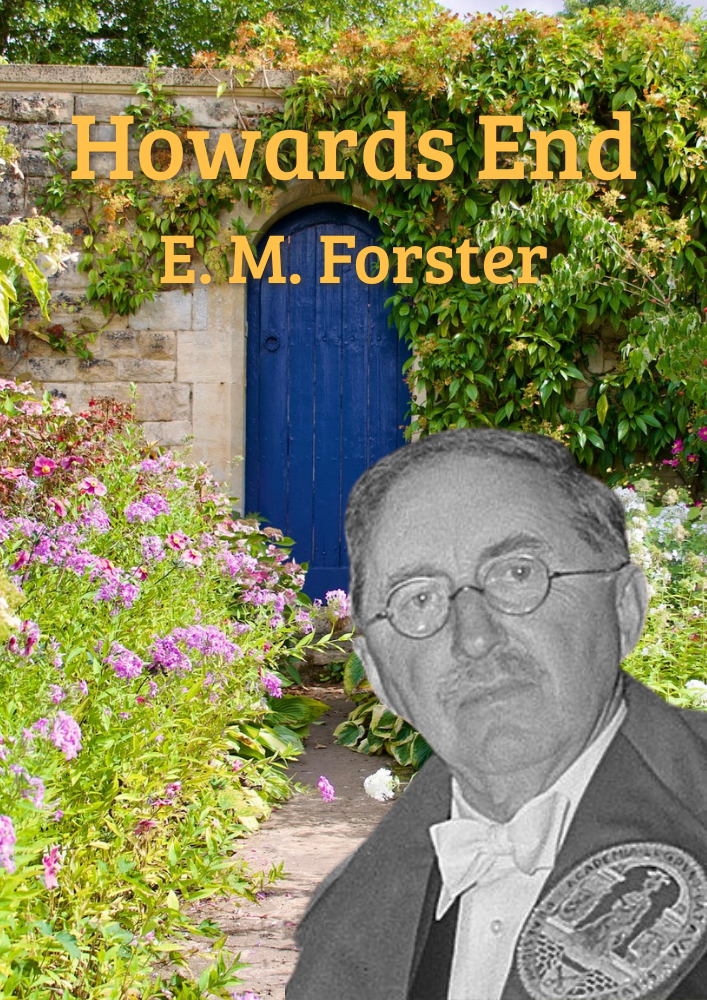
Story:
The cultivated Schlegel sisters, the wealthy Wilcox family, and the struggling clerk Leonard Bast inhabit neighbouring Englands that rarely understand one another. A friendship, a disputed inheritance, and a series of well-meant interventions draw them together around Howards End, a country house that becomes far more than property. Who belongs there—and who is allowed to connect culture, money, and ordinary life—drives Forster's humane, unsettling comedy of manners.
Reading Highlights:
“Only connect” is tested rather than simply celebrated. Forster moves with wit between drawing rooms, railway journeys, letters, and awkward encounters, exposing how sympathy can fail when insulated by privilege. The house gathers memory and moral consequence until architecture itself seems to ask what kind of England the characters are building.
Directed by James Ivory; United Kingdom and Japan; starring Emma Thompson, Anthony Hopkins, Helena Bonham Carter, and Vanessa Redgrave. The film won three Academy Awards at the 1993 ceremony, including Best Actress for Emma Thompson.
How it differs from the book:
The film turns Forster's guiding narrator and social argument into glances, interiors, letters, and objects, while compressing some of Leonard Bast's circumstances and the novel's commentary.
How to choose a reader's edition:
An unabridged 22-chapter edition preserves the careful pattern of meetings and consequences. Readers new to Edwardian class distinctions may prefer notes on property, income, and social convention. Translations should keep the house name Howards End distinct from possessive-looking variants and preserve Forster's shifts between irony, intimacy, and direct address.
Published in 1910, Howards End stands at the centre of E. M. Forster's career, between his early social comedies and A Passage to India. Forster turns his recurring concern with connection into a test involving property, class, culture, and material responsibility. The novel's country house was inspired in part by his childhood home, giving its argument about inheritance an intimate emotional foundation.
Miva: the next reading experience beyond audiobooks
Listen like an audiobook, then ask anything, anytime.
Start Miva's narrationMiva does not just narrate. It keeps explaining based on what you ask.