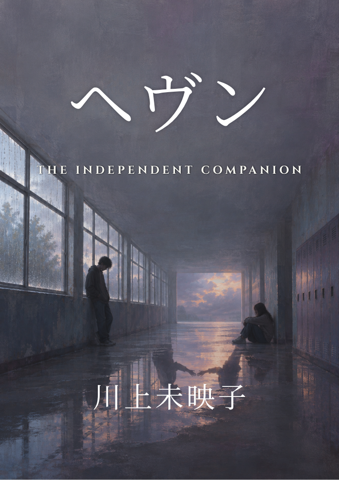
A fourteen-year-old boy, nicknamed "eyes" and bullied for his strabismus (lazy eye), endures relentless violence and humiliation. He receives a secret note from Kojima, a female classmate who is also targeted. Together, they find solace by giving meaning to their suffering, but their beliefs are eventually challenged by a harsh question: is endurance truly a form of dignity?
This guide organizes the escalation of violence in Chapter 9, the secret letters, the bond with Kojima, the ethical dialogue with Momose, and the choice regarding surgery for strabismus. It analyzes the dynamics of bullying beyond a simple victim-perpetrator binary—exploring themes of bystander apathy, self-justification, and bodily autonomy—without spoiling the final outcome. Note: This is an independent chapter-by-chapter summary and study guide intended for organization and review, not the original text of the novel.
Winner of the 2009 Murasaki Shikibu Prize. The English translation was shortlisted for the 2022 International Booker Prize.
The pain in this novel lies not just in the depictions of violence. Kojima seeks to imbue suffering with meaning, while Momose argues that the strong need no reason for their actions. Caught between them, the protagonist begins to question whether enduring, seeking help, or changing his physical self is the choice that best preserves his integrity.
It connects the secret notes, the summer outing, the intensification of violence, the funeral, the dialogue with Momose, and the possibility of surgery chapter by chapter. It highlights when the protagonist adopts Kojima's rhetoric and when he begins to exercise his own judgment, ensuring readers distinguish between understanding the logic of abuse and justifying it.
While Kojima tries to find special meaning in pain, the narrative does not unconditionally validate this belief. Read to distinguish between interpretations that provide salvation and those that merely prevent help.
Beyond the direct perpetrators, the guide examines the logic of those who find it entertaining, those who look away, and those who blame the weak, tracking how violence becomes normalized within a group.
The possibility of surgery gives the protagonist his first concrete choice. It is crucial to see how the story refuses to simply dismiss either the act of protecting one's differences or the right to bodily self-determination.
Ideal for readers who appreciate challenging works on school violence and ethical discourse. This guide is for those who wish to explore dignity and autonomy without reducing pain to a simple story of friendship or growth.
About the Edition: This is an independent chapter guide and summary, not the original novel. It is recommended as a companion for review and reading support.
Miva: the next reading experience beyond audiobooks
Listen like an audiobook, then ask anything, anytime.
Start Miva's narrationMiva does not just narrate. It keeps explaining based on what you ask.