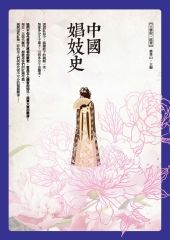
“History of Chinese Prostitution” is the pioneering work in the study of prostitution in China and continues to hold significant academic value today. This is because the author integrated new social science concepts, examining prostitution from a socio-historical perspective.
The author divides the history of prostitution into five stages: the Era of Shaman Prostitution (Yin and Shang Dynasties), the Emergence of Slave Prostitution and State Prostitution (Pre-Qin to Han Dynasties), the Parallel Development of Domestic Courtesans and Slave Prostitutes (Wei, Jin, Northern and Southern Dynasties), the Peak of State Courtesans (Sui to Ming Dynasties), and the Era of Privately Managed Prostitution (Qing Dynasty onwards). By using these functional stages rather than strict dynastic boundaries, the author provides a broader and more innovative perspective on the unique characteristics of each developmental phase.
The author emphasizes the historical causes of each era, exploring political, cultural, social, and economic dimensions, which pointed the way for later researchers. For instance, topics such as “Jinshi Scholars and Courtesans in the Tang Dynasty,” “Tang Poetry and Courtesans,” “Song Ci Poetry and Courtesans,” and “Yuan Qu Drama and Courtesans” laid a solid foundation for the literary world’s later focus on “Brothel Literature.” The author’s pioneering contribution is indispensable.
The book extensively cites historical records, including rare encyclopedias, anecdotal notebooks (biji), and scholarly jottings. The methodology approaches “verifying history through poetry,” revealing the lives, customs, beliefs, and mindsets of people across different eras. Although it focuses on “prostitution,” it is not limited to superficial descriptions but encompasses the broader horizons of literary and social history.
Miva: the next reading experience beyond audiobooks
Listen like an audiobook, then ask anything, anytime.
Start Miva's narrationMiva does not just narrate. It keeps explaining based on what you ask.