Background:
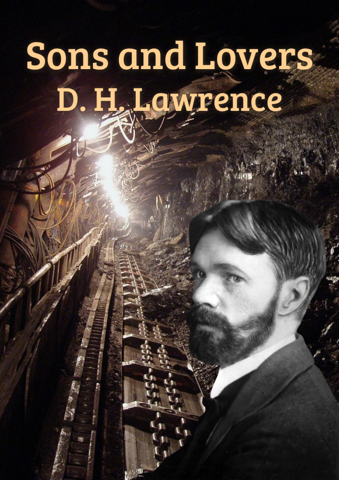
Published in 1913, Lawrence's novel draws on an English mining community transformed by industrial labor and class aspiration. The Morel household is shaped by wages, education, religion, illness, gendered work, and the physical closeness of colliery life.
What kind of book is it?
Paul Morel grows within an intense family bond while trying to form adult relationships and an artistic identity. The novel follows emotional dependence through ordinary work, conversation, illness, and separation rather than presenting development as a clean escape from home.
Literary style:
Flexible third-person narration moves close to different members of the family, combining sensuous landscape writing with abrupt dialogue and psychological conflict. Repeated flowers, light, bodies, tools, and domestic tasks keep thought connected to material experience.
Director: Jack Cardiff
Production country: United Kingdom
Cast: Trevor Howard, Dean Stockwell, Wendy Hiller
Why it matters: A useful, identifiable screen version for comparison.
Difference from the book: compresses the family history and Paul's relationships into a more conventional coming-of-age film.
Main editions and translations:
The standard English text has two parts and fifteen chapters. Cambridge scholarly editions document manuscript and censorship history; Penguin and Oxford reading editions provide contextual notes. Early editions and later restored texts may differ in punctuation and passages, so research citations should name the editor and textual basis.
Reading recommendation:
The standard English text has two parts and fifteen chapters, while early, manuscript-based, and restored editions can differ in passages and punctuation. An annotated reading edition helps with mining culture and dialect; Cambridge editions are better suited to studying revision and censorship.
Cultural significance:
The novel is a major work of English modernism and working-class family fiction. It continues to generate debate because its emotional insight coexists with unstable judgments about women, sexuality, and artistic selfhood.
Place in the author's writing:
Sons and Lovers transformed autobiographical material into the first of Lawrence's large-scale studies of intimacy, body, labor, and modern consciousness. It stands between the social realism of The White Peacock and the more formally and sexually experimental The Rainbow and Women in Love.
Miva: the next reading experience beyond audiobooks
Listen like an audiobook, then ask anything, anytime.
Start Miva's narrationMiva does not just narrate. It keeps explaining based on what you ask.