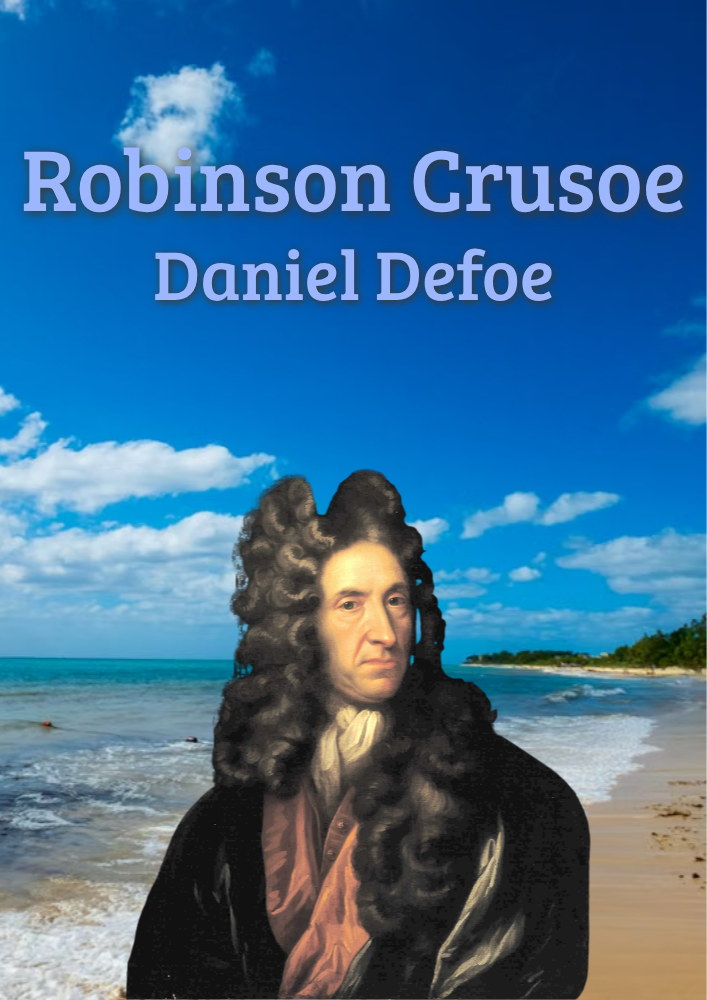
Story:
Ignoring his father's plea for a safe middle life, Robinson Crusoe goes to sea and is eventually shipwrecked alone on an island. He salvages tools, keeps accounts, raises crops, domesticates animals, and reads providence in survival. Years of solitude change when he finds a footprint and later rescues the man he names Friday, forcing the private kingdom he has built to confront fear, companionship, power, and return.
Reading Highlights:
The famous adventure is also a strange hybrid of logbook, spiritual autobiography, inventory, and economic experiment. Crusoe counts almost everything, from days to gunpowder, while trying to interpret what cannot be controlled. Modern readers can enjoy the ingenuity and suspense while also examining the colonial assumptions behind possession, naming, conversion, and mastery.
Directed by Luis Buñuel; Mexico and United States; starring Dan O'Herlihy, Jaime Fernández, and Felipe de Alba. O'Herlihy received an Academy Award nomination for Best Actor at the 1955 ceremony.
How it differs from the book:
The film concentrates on the island years and visual solitude, reducing the novel's earlier voyages, dense economic accounting, religious reflection, and later travels.
How to choose a reader's edition:
Many editions are abridged for children. For Defoe's novel, choose a complete text that retains the original long title and the material before and after the island. Notes should address eighteenth-century trade, religion, slavery, and colonialism. In translation, check whether Friday's speech and Crusoe's practical lists have been simplified.
Daniel Defoe published Robinson Crusoe in 1719, presenting it with the factual air of a traveller's own account. Defoe's experience in trade, politics, journalism, and religious controversy helps explain the novel's unusual mixture of adventure, bookkeeping, providence, and argument. Its enormous afterlife helped establish the castaway narrative as a genre, even giving rise to the term Robinsonade.
Miva: the next reading experience beyond audiobooks
Listen like an audiobook, then ask anything, anytime.
Start Miva's narrationMiva does not just narrate. It keeps explaining based on what you ask.