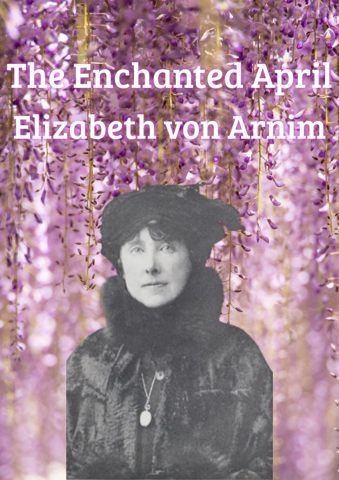
Background:
Elizabeth von Arnim's The Enchanted April appeared in 1922. It begins in rainy London, where four English women divided by age, wealth, marriage, and temperament rent an Italian castle together. Postwar fatigue and the narrowness of women's domestic lives make their holiday more than a picturesque escape.
Story Summary:
Lotty Wilkins and Rose Arbuthnot answer a rental advertisement and recruit Lady Caroline and Mrs Fisher to share the expense. Sunlight, gardens, rooms, and communal meals gradually alter how the four women see themselves and one another, opening the possibility of renewed relationships.
Literary Form:
The ensemble narrative moves among the women's perceptions and allows space to participate in the story. Bedrooms, dining arrangements, gardens, and sea views reflect emotional and social changes. Its humor is gentle but precise, often arising from the gap between polite speech and private judgment.
Director: Mike Newell
Production country: United Kingdom
Principal cast: Miranda Richardson, Josie Lawrence, Joan Plowright, Polly Walker
Reason for inclusion: Joan Plowright won a Golden Globe for the film, which also received multiple Academy Award nominations.
Difference from the book: It compresses interior monologue and some marital history, using landscape, performance, and group interaction to convey the castle's effect.
Main Edition:
The novel has twenty-two chapters. A complete edition preserves the balance among all four women's viewpoints and the structural change when their husbands arrive. Covers using images from the 1991 film do not necessarily indicate a screenplay adaptation.
Reading Recommendation:
The book suits readers of ensemble fiction, marriage novels, and travel writing. In translation, compare the handling of plants, Italian place names, and British class titles, which carry important tonal distinctions.
Cultural Significance:
Von Arnim repeatedly used gardens, travel, and comedy to examine marriage and women's autonomy. Here, restoration means reorganizing ordinary relationships rather than submitting to scenery alone, which has kept the novel visible in women's reading history and the tradition of holiday fiction.
Miva: the next reading experience beyond audiobooks
Listen like an audiobook, then ask anything, anytime.
Start Miva's narrationMiva does not just narrate. It keeps explaining based on what you ask.