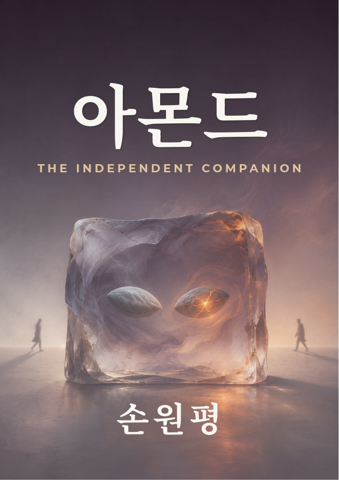
Yunjae has small amygdalae in his brain, causing him difficulty in identifying and expressing fear and anger. Left to manage a bookstore alone after a tragedy strikes his family, he meets Gon, a boy who uses violence as a shield. Together, they test whether emotion and empathy are innate traits or things that can be learned through relationships.
Following the prologue, four parts, and epilogue, this guide organizes the emotional rules taught by his mother, the clashes between Yunjae and Gon, and the changes brought about by Dora and Dr. Shim. It treats neurological differences without turning them into moral failings or simple medical cure stories, and avoids spoiling the definitive scenes of the ending. This product is an independent chapter summary guide for review and reading support, not the original text.
Winner of the 10th Changbi Prize for Young Adult Fiction; Winner of the 2020 Japan Booksellers' Award for Translated Fiction.
Yunjae, who struggles to read emotions, and Gon, whose emotions explode into violence, seem like opposites. However, both boys are called 'monsters' by a judging society. The novel asks not who is more 'normal,' but whether we can responsibly reach out to those we do not understand.
From the prologue to the epilogue, it connects his mother's emotional education, bookstore life, Professor Yun's expectations, Gon's provocations, and the meeting with Dora. It distinguishes between the novel's fictional setup regarding the amygdala and actual medicine, and seeks to understand Gon's trauma without erasing the harm he caused.
Yunjae does not show typical facial expressions, but he observes, remembers, and chooses how to act. We read by distinguishing scenes so as not to judge goodwill or indifference solely based on outward emotions.
Understanding Gon's wounds does not excuse the harm he inflicted. We follow the points where the relationship between the two boys demands both compassion and responsibility.
The novel does not offer a single medical answer. Through repeated encounters and dangerous choices, it shows the possibility that relationships can expand a person's range of response.
Suitable for adolescents and adult readers looking to discuss coming-of-age stories, friendship, and the meaning of empathy. It moves beyond the 'love heals all' conclusion to examine differences in emotion, expression, understanding, and action.
Edition Notice: This material is an independent chapter guide and summary, not the full original text. It is recommended for use alongside the original work for review and reading support.
Miva: the next reading experience beyond audiobooks
Listen like an audiobook, then ask anything, anytime.
Start Miva's narrationMiva does not just narrate. It keeps explaining based on what you ask.