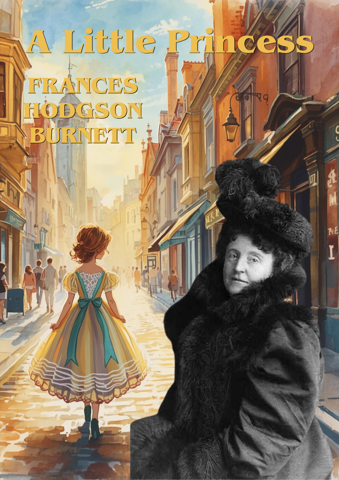
Sara Crewe's famous insistence on being a princess is easy to misread as a lesson in passive sweetness. Burnett makes it more demanding: Sara uses performance, imagination, and manners to protect a sense of obligation when the school turns wealth into permission for cruelty. The novel asks what dignity can mean when it has no institutional protection.
Its emotional power comes from close attention to rooms, food, clothes, and stories. The luxurious schoolroom and the attic are not merely opposite backdrops; they expose how quickly adults recast a child's value when money changes hands.
Director: Alfonso Cuarón
Production country: United States
Cast: Liesel Matthews, Eleanor Bron, Liam Cunningham
Why it matters: The production design received an Academy Award nomination at the 68th Academy Awards.
Difference from the book: The film moves the school to First World War-era New York and changes Captain Crewe’s death into battlefield amnesia.
The complete 1905 English text retains the novel's nineteen-chapter movement and scenes often shortened for younger readers. Illustrated and simplified retellings can provide an accessible entry, but an unabridged, annotated edition better preserves the class satire, the school setting, and the emotional ambiguity of Sara's imagination. It is well suited to reading aloud in sections, with time to discuss what courtesy costs different characters.
Burnett developed Sara across prose and stage forms before this expanded novel, and that theatrical history helps explain the precision of entrances, overheard speech, and sudden reversals. Its ideal of generosity is persuasive because it is repeatedly tested by hunger, humiliation, and unequal power.
Miva: the next reading experience beyond audiobooks
Listen like an audiobook, then ask anything, anytime.
Start Miva's narrationMiva does not just narrate. It keeps explaining based on what you ask.