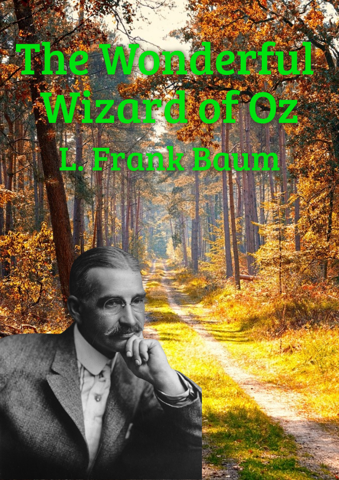
Background:
L. Frank Baum published The Wonderful Wizard of Oz in 1900, aiming to create a modern fairy tale with an American landscape and tempo. Gray Kansas contrasts with the vivid countries of Oz, while successive regions, roads, and rulers give the journey both allegorical and theatrical energy.
Story Summary:
A cyclone carries Dorothy to Oz. Seeking a way home, she follows the Yellow Brick Road and meets the Scarecrow, Tin Woodman, and Cowardly Lion. Each companion asks for a quality he believes he lacks, yet repeatedly demonstrates it during their adventures.
Literary Form:
The novel uses clear prose and an episodic road structure in which each new place brings a self-contained test. Much of its humor comes from the distance between desire and actual ability. Readers can enjoy the adventure while also asking how authority is manufactured and why home retains its power.
Director: Victor Fleming
Production country: United States
Principal cast: Judy Garland, Frank Morgan, Ray Bolger
Reason for inclusion: Its songs, color design, and Judy Garland's performance made it the most influential screen version of Oz.
Difference from the book: The film frames Oz as a possible dream, changes the Silver Shoes to ruby slippers, and removes or combines many episodes. In the books, Oz is a real country open to further travel.
Main Edition:
W. W. Denslow illustrated the first edition, and text and image jointly shaped its characters. A text-only edition therefore differs from a faithful illustrated reproduction. Many abridgments, early-reader versions, and film tie-ins circulate; verify that all twenty-four chapters are present.
Reading Recommendation:
A complete edition retaining Denslow's original art is ideal for a first reading. Work on the wider Oz series should also distinguish Baum's sequels from continuations by later authors.
Cultural Significance:
The novel began the long Oz series and brought American terrain, mechanical figures, and modern spectacle into fairy tale. The film's fame can obscure how much broader and stranger the book is, including its varied regions, political humor, and more active Dorothy.
Miva: the next reading experience beyond audiobooks
Listen like an audiobook, then ask anything, anytime.
Start Miva's narrationMiva does not just narrate. It keeps explaining based on what you ask.