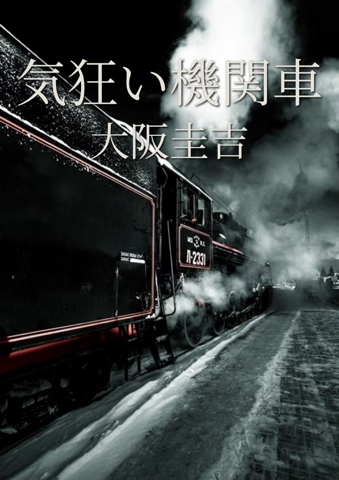
Background:
A classic mystery short story set on a railroad during a blizzard, focusing on the temporal relationship between the operation of the locomotive and two corpses. According to the Aozora Bunko work card, it was first published in the January 1934 issue of "Shinseinen" by Hakubunkan.
Synopsis:
The bodies and bloodstains found near the tracks are difficult to explain within the short time the locomotive was stopped. Hypotheses regarding whether the culprit was on the train or if the locomotive itself moved are narrowed down through operational records and on-site observations. Were two deaths possible during such a brief stop? The footprints hidden by snow and the runaway locomotive shatter the common sense of the timetable.
Literary Features:
Numerical conditions such as speed, stopping time, and distance are layered with the darkness of the blizzard and a fear of machinery. Despite the aggressive title, the solution is derived by meticulously reconstructing the timeline and physical laws.
Elements to Note:
Using "railway mystery and mechanical horror" as an entry point, one should follow the moments when objects and locations transform into evidence, and observe where the story diverges from the first impression of the title.
Reading Guide:
The omissions and structure of the short story become easier to see by tracking how the opening information is rearranged through descriptions, dialogue, and scene transitions. One should also note the pace of the prose using the furigana and paragraphing as clues.
Currently, there are no recorded film or media adaptations.
The included text is the Japanese XHTML version published by Aozora Bunko. The base text for the work card is recorded as "Tomurai Kikansha" (The Funeral Locomotive) published by Kokusho Kankokai. This edition, which preserves the furigana, paragraphing, and kana usage, is suitable for confirming the unique style of this work, which layers numerical conditions like speed and distance against mechanical horror. The effectiveness of the introduction—where bloodstains near the tracks defy explanation based on the stop time—is best conveyed by reading the text in a format that maintains the original paragraph breaks and narrative tone. Since the original magazine and the later base text are different materials, readers should refer back and forth between the work card and the text without confusing the publication dates. To the best of our knowledge, there is no translated version that matches this specific translator/publisher/year/completeness; when choosing versions in other languages, priority should be given to those that clearly state the translator and base text.
This is one of the pieces that most clearly demonstrates Keikichi Osaka's characteristic of treating transportation as a logical apparatus. When read alongside "The Funeral Locomotive," one can compare how the same type of engine generates different kinds of mysteries. Set on a blizzard-swept railway, this classic mystery focuses on the timing of the locomotive's operation and the discovery of two bodies. The method used here—layering speed and distance against mechanical fear—serves as a clue to distinguish the author's treatment of similar subject matter across different works. When comparing this to other works by the same author, the unique position of "The Mad Locomotive" becomes clear by focusing on the narrator's scope of knowledge, the methods of delaying explanations, and the distance between reality and fantasy.
Miva: the next reading experience beyond audiobooks
Listen like an audiobook, then ask anything, anytime.
Start Miva's narrationMiva does not just narrate. It keeps explaining based on what you ask.