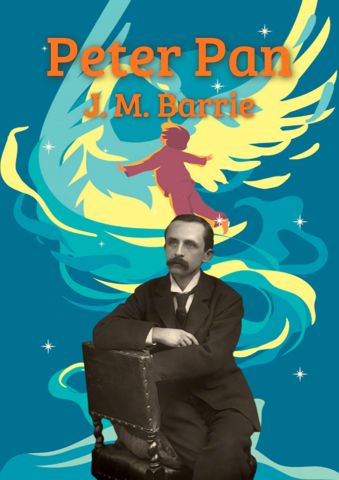
Background:
Barrie's 1911 novel Peter and Wendy developed material from his earlier play and from stories associated with the Llewelyn Davies family. Its Edwardian nursery world, theatre origins, imperial adventure conventions, and anxiety about growth all remain visible beneath the familiar fantasy imagery.
What kind of book is it?
Peter brings Wendy, John, and Michael to Neverland, where play, danger, storytelling, and rival claims to family life overlap. The novel's narrator is witty and unstable, often exposing selfishness and loss beneath the promise of endless childhood.
Literary style:
Direct address, theatrical entrances, shifting make-believe, recurring audience knowledge, and abrupt mixtures of sentiment and cruelty distinguish Barrie's text from later softened adaptations. The narrative constantly asks who controls a story and who must perform assigned roles within it.
Director: Hamilton Luske, Clyde Geronimi, Wilfred Jackson
Production country: United States
Cast: Bobby Driscoll, Kathryn Beaumont, Hans Conried
Why it matters: A useful, identifiable screen version for comparison.
Difference from the book: changes characterization, condenses the London frame, and intensifies racial caricature through animation and songs.
Main editions and translations:
the selected digital edition provides the 1911 English novel Peter and Wendy, marketed here under the searchable title Peter Pan with the original title preserved as an alternate. It is not the 1904 stage script, Disney's film, or a modern retelling; wording and episode order must come from this edition.
Reading recommendation:
Peter and Wendy is the 1911 novel, not the 1904 stage script or a later film retelling. Readers seeking the novel should choose a version bearing that original title and all seventeen chapters; the play and its revisions require separate editions.
Cultural significance:
Peter Pan became a global character, but that popularity also magnifies the need to confront the book's racial stereotypes and possessive ideas about childhood. Reading the source reveals a darker meditation on memory, maternity, repetition, and exclusion than many franchise versions retain.
Place in the author's writing:
Peter Pan did not begin as one fixed book: Barrie developed the figure through prose, theatre, and later revision. Peter and Wendy turns stage effects and audience knowledge into a narrator's unstable play with memory, adulthood, and loss. It therefore belongs beside Barrie's dramatic work, not only beside the later children's franchise built from it.
Miva: the next reading experience beyond audiobooks
Listen like an audiobook, then ask anything, anytime.
Start Miva's narrationMiva does not just narrate. It keeps explaining based on what you ask.