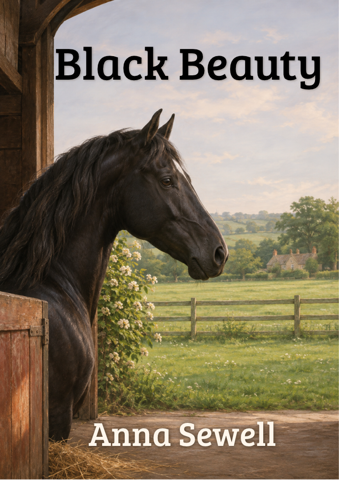
Sewell's first-person horse narrator changes the ethics of an adventure story. Black Beauty cannot choose the work, owners, equipment, or roads that determine his safety, so the novel trains readers to notice the human decisions normally hidden behind a horse's appearance. The book is direct in its feeling but careful about systems: cruelty is connected to fashion, speed, labor, ignorance, and profit rather than to a single villain.
Its episodes move through different households and kinds of work, giving the narrative the structure of a social map. The result is an unusually clear case for animal welfare that still trusts storytelling more than sermonizing.
Director: Caroline Thompson
Production country: United States
Cast: Sean Bean, David Thewlis, Jim Carter
Why it matters: Caroline Thompson both wrote and directed this Warner Bros. adaptation.
Difference from the book: The feature film compresses the novel’s long sequence of owners and working environments into an 88-minute screen narrative.
The complete English text keeps the episodic sequence and Black Beauty's changing work environments. Historical notes can clarify equine terminology and nineteenth-century welfare debates without reducing the narrative to a document.
Sewell wrote only this novel, yet its form gave animal advocacy an enduring popular language. By making a working animal narrate, she asks readers to treat care as a question of institutions and habits as well as individual feeling.
Miva: the next reading experience beyond audiobooks
Listen like an audiobook, then ask anything, anytime.
Start Miva's narrationMiva does not just narrate. It keeps explaining based on what you ask.