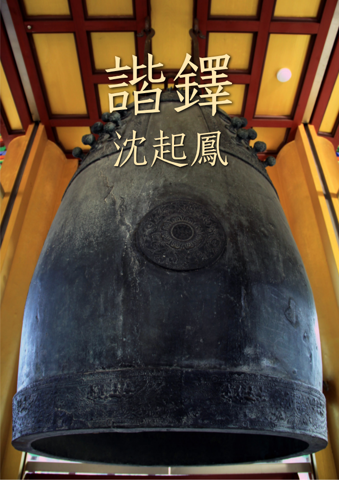
Background: "Xie Duo" is a collection of strange tales (zhiguai) published in 1792, consisting of twelve volumes. It features foxes, ghosts, animals, objects, and mortals performing together in tales with cautionary undertones, blending wit, satire, and allegory. While it shares resources of the supernatural and legendary with the well-known "Strange Tales from a Chinese Studio" (Liaozhai Zhiyi), it possesses its own editorial purpose and narrative rhythm; its independent value is best understood within the context of contemporary publishing, manuscript circulation, and storytelling culture.
Introduction: This book is not a single continuous narrative but consists of independent stories or entries. Readers will encounter interactions between humans and ghosts, strange legal cases, dreams, romances, tales of gratitude, satires, anecdotes, and local observations; different chapters use the supernatural to test characters' desires, integrity, and judgment. The short-story format is suitable for selective reading, though the prefaces, postscripts, volume orders, and titles provide important clues for understanding the work as a whole.
Literary Features: Titles are short and striking, and stories often conclude with a commentary following an absurd twist; "Xie" (Harmony/Humor) provides readable anecdotes, while "Duo" (Bell) points toward admonition and criticism. Omissions, allusions, and discussions in classical literary Chinese may pose a barrier to modern readers, yet they allow the narrative to achieve complex turns within a very short space. It is recommended to note how the source of information is marked at the beginning, when the supernatural enters daily life, and whether the ending affirms, doubts, or satirizes the events.
Film and Television Adaptations
No adaptations are currently recorded.
Versions and Translations
Major Versions: This batch utilizes searchable texts from the Chinese Wikisource, with cross-references to the Chinese Philosophical Tool Project (CTP), scanned library collections, or other catalogs. Circulating editions may use the simplified title "谐铎"; ancient texts often involve traditional/simplified conversion, variant characters, rearranged volumes, and modern punctuation, so multiple titles should be used when searching. Beginners may start with specific story titles before returning to the prefaces and table of contents to understand the structure; research citations should verify against original facsimiles and page numbers.
Reading Tips: This type of short story collection is best approached through titles, volumes, or motifs of interest before reviewing the prefaces and overall arrangement. When reading, distinguish between the narrator's direct experiences, retellings, rumors, and layers of commentary, and observe how strange events affect families, local society, officialdom, and ethical judgments. Different chapters may not hold consistent attitudes toward similar supernatural motifs; one should not generalize the entire book based on a single story. Comparing the openings, witness identities, and concluding remarks of several stories usually provides a better view of the author's or editor's standards. For research or citation, textual differences between woodblock prints, manuscripts, and modern punctuated editions should be checked, rather than relying on internet summaries.
Publisher
BookAI
Published
2026-10-01
Miva: the next reading experience beyond audiobooks
Listen like an audiobook, then ask anything, anytime.