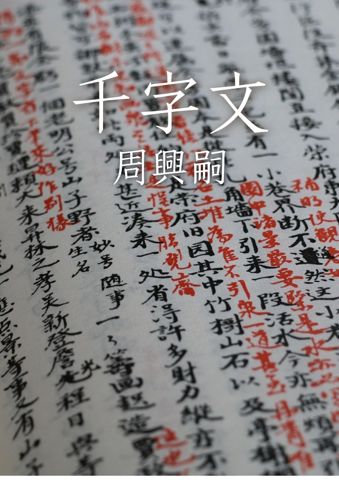
Background:
The Thousand Character Classic is traditionally attributed to Zhou Xing-si of the Liang Dynasty, compiled under imperial decree. It is composed of 1,000 unique Chinese characters arranged in four-character rhymed verses. It serves as a literacy primer, a calligraphy model, and an outline of knowledge; different versions may contain variant characters or changes made to observe naming taboos.
Synopsis:
The text covers topics ranging from the cosmos and the four seasons to historical figures, ethical order, palace systems, daily self-cultivation, and pastoral life. Rather than a continuous narrative, the sentences use rhyme and association to link a vast vocabulary.
Literary Features:
The four-character rhythm and changing rhyme schemes make it suitable for recitation, though the density of classical allusions is high. Beginners may lose the connections between sentences if they rely solely on word-for-word modern translations. Annotations should identify sources of allusions, character variations, and semantic units.
No film or television adaptations are currently listed.
Major Versions:
This version uses Thousand Character Classic (Qianziwen) as its standard title, with Zhou Xing-si recorded as the author, editor, or traditional signatory. The text scope is the complete work (1,000 characters in four-character phrases). Common alternative titles include: Ci Yun Wang Xi Zhi Shu Qian Zi (Thousand Characters Arranged After the Rhymes of Wang Xizhi's Calligraphy); Qianziwen; Thousand Character Classic.
Reading Advice:
The focus of this guide is the acquisition of the complete text. When reading this classical primer, the main text should be distinguished from later commentaries, modern translations, and excerpted textbooks. For citations, refer back to the full text and specific chapters.
The legends surrounding Zhou Xing-si's compilation have strengthened the cultural memory of the work, but specific details of its creation should distinguish between historical records and later folklore. As the work has long circulated via manuscripts by famous calligraphers, textual versions are as significant as calligraphic editions.
Miva: the next reading experience beyond audiobooks
Listen like an audiobook, then ask anything, anytime.
Start Miva's narrationMiva does not just narrate. It keeps explaining based on what you ask.