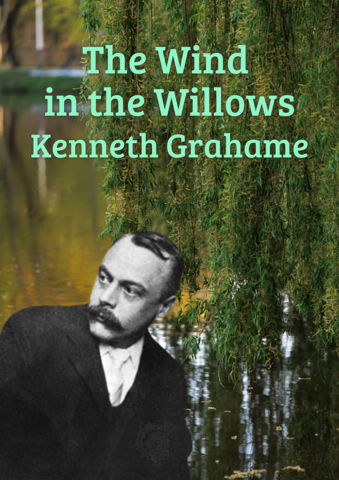
Background:
Published in 1908 from stories Grahame developed for his son, the book joins pastoral river life, domestic comedy, motoring satire, seasonal change, and moments of numinous wonder. Its countryside is inviting but socially selective, shaped by property, leisure, hierarchy, and nostalgia.
What kind of book is it?
Mole leaves spring cleaning and enters the riverbank world of Rat, Badger, and the dangerously impulsive Toad. Their friendships move between quiet hospitality and comic crisis without making the book a single uninterrupted adventure.
Literary style:
An episodic structure alternates lyrical nature writing, club-like dialogue, farce, mock-heroic action, songs, and sudden changes of tone. The variety explains why editions and adaptations often select only Toad's adventures and leave out quieter chapters.
Reading focus:
The book's unity comes less from a single plot than from repeated contrasts: home and wandering, hospitality and appetite, seasonal rhythm and mechanical speed, private reverie and communal rescue. Mole's discovery of the riverbank gives readers an entry into belonging, while Toad turns movement into compulsion and spectacle. Badger's underground home and Rat's river life offer different kinds of stability, neither of which simply defeats the desire to roam. Several chapters slow almost to stillness, asking readers to attend to weather, sound, memory, and a landscape felt as sacred. Others become courtroom farce, prison escape, or mock-heroic battle. Adaptations often choose one mode and lose the rest. A complete reading should therefore notice how friendship is expressed through meals, shelter, warnings, forgiveness, and repeated returns rather than through declarations alone. The countryside is not socially innocent—property, leisure, and masculine clubbability structure it—but its emotional appeal remains powerful because places acquire meaning through use. Home matters after characters have left it, endangered it, or learned to recognize it again.
Director: Terry Jones/Production: United Kingdom
Principal cast: Steve Coogan, Eric Idle, Terry Jones
Why this adaptation:
Terry Jones directs and plays Toad in a British musical adaptation that makes the contrast between Grahame's quiet river chapters and Toad's farce especially clear.
One important difference:
foregrounds Toad's motoring plot, expands musical comedy, and compresses or omits several meditative riverbank episodes.
Edition focus:
Complete editions contain twelve tonally varied chapters, including reflective riverbank episodes often omitted from Toad-centered adaptations.
Reading recommendation:
A first edition should preserve the songs and chapter order; illustrated editions are rewarding, but readers should check that they have not been shortened for very young children.
Cultural significance:
The book has supported theatre, animation, radio, and family reading for more than a century. Its charm comes from tonal range and friendship, while modern readers can also question its gender absence, class comfort, property assumptions, and idealized rural England.
Relationship between author and work:
Grahame reshaped stories associated with his son into a finished book whose pastoral, farcical, and visionary chapters exceed the Toad-centered version familiar from many adaptations.
Miva: the next reading experience beyond audiobooks
Listen like an audiobook, then ask anything, anytime.
Start Miva's narrationMiva does not just narrate. It keeps explaining based on what you ask.