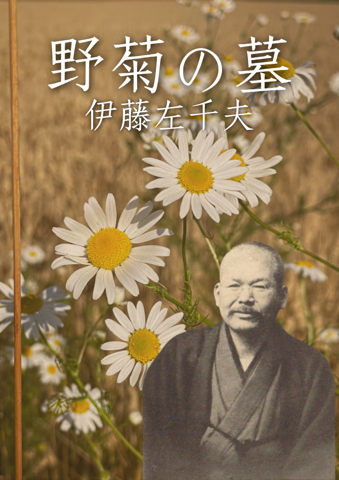
Background: The first-person narration of the reminiscing "I" and metaphors involving wild daisies and other plants connect the emotions of two young people with the pressures of village society. Note how the narrative structure foreshadows the conclusion. By understanding the era of its creation and the history of its publication, the context of the story and its expressions becomes clearer. Alternative titles found via search are kept as supplementary information, while the standard title used in the included text remains consistent.
Plot & Content: Masao spends his time intimately with his older cousin, Tamiko, but those around them suspect their relationship and attempt to pull them apart. Since the story is told as a recollection from over ten years later, a sense of impending loss overlaps even the happiest scenes. Rather than focusing on plot spoilers or character lists, this serves as an entry point for reading the development and form of the text. The gap between what the narrator knows and what the reader can infer, along with shifts in time through chapters and poems, provides clues for interpretation.
Literary Features: Because the story is told from the perspective of "I" looking back from more than a decade later, shadows of loss are cast over the bright rural landscapes from the start. Plant metaphors like the wild daisy, dialogue containing local dialects, and the transition of seasons support an affection that cannot be fully expressed in words. Examining the tone, pauses, and repetitions that often disappear in summaries clarifies the unique flavor of the work.
Work Encyclopedia
Author Biography: Sachio Ito (1864–1913) was a poet and novelist from Kazusa Province who participated in Masaoka Shiki's tanka reform movement. While running a dairy farm, he continued to write poetry and criticism. After Shiki's death, he founded the poetry magazine Ashibi to nurture successors. His emphasis on "shasei" (sketching from life) extended beyond tanka to his novels, expressing characters' emotions through rural scenery, seasons, and physical sensations. His representative novel, The Wild Daisy, depicts the process by which the pure affection of a young man and woman is transformed by the norms of family and village through the lens of later-year recollections.
Relationship Between Author and Work: Ito's view of "shasei" turned the landscapes and plants of Yagiri into elements that trigger memory rather than just emotional backgrounds. Through the retrospective format, the happiness of youth appears intertwined with loss from the beginning.
Visual Adaptation Comparison: While not a direct adaptation, a thematic comparison can be made with the film My Blissful Marriage or I Wish I Could Meet You Again on the Hill Where That Flower Blooms (2023). While both deal with young love and inevitable separation, this work focuses on the family system of Meiji-era rural villages, whereas the film revolves around time travel to the wartime era. By specifying the work name and year, differences in focus due to medium and era are compared through thematic reading.
Publisher
BookAI
Published
2026-09-16
Miva: the next reading experience beyond audiobooks
Listen like an audiobook, then ask anything, anytime.