Chinese Proofreading Correspondence: Formal Draft SHA-256 19c727f9d77bfb1e
Background:
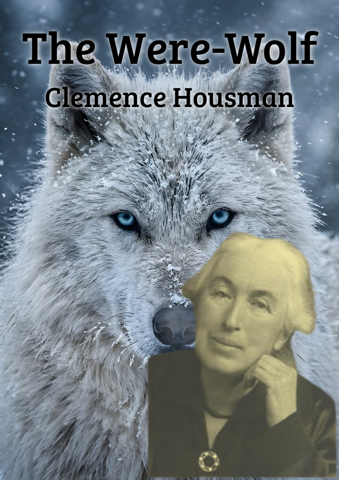
Clemence Housman's 1896 novella brings the female werewolf, White Fell, into an isolated northern household, compressing folklore, Christian symbolism, desire, and gender anxiety into a short span. The snow and the threshold are not just backdrops, but clues for identifying danger.
Spoiler-Free Reading Guide:
A mysterious woman is welcomed by most, with only a few characters believing she poses a threat. The narrative tightens through color, footprints, glances, and chases, without relying on the full-moon transformation rules common in later cinema.
No recommended titles or adaptations are listed due to insufficient evidence of textual fidelity. Reading this book through the fixed settings of modern werewolf films tends to obscure the book's core concerns: temptation, sacrifice, and the community's refusal to heed warnings.
The selected digital base text 13131 provides the original English text; this product is text-only and does not include Laurence Housman's original illustrations. Rights for illustrations and text are handled separately, and this exclusion decision should be maintained in the product notes.
White Fell makes this book a significant milestone in 19th-century female werewolf literature, open to readings through gender, monsterization, and the politics of desire. Clemence Housman was also a wood engraver and a suffragette; her work should not be viewed merely as an adjunct to her brother's name.
Miva: the next reading experience beyond audiobooks
Listen like an audiobook, then ask anything, anytime.
Start Miva's narrationMiva does not just narrate. It keeps explaining based on what you ask.