Chinese Proofreading Correspondence: Formal Draft SHA-256 544bb58e3f49d576
Background:
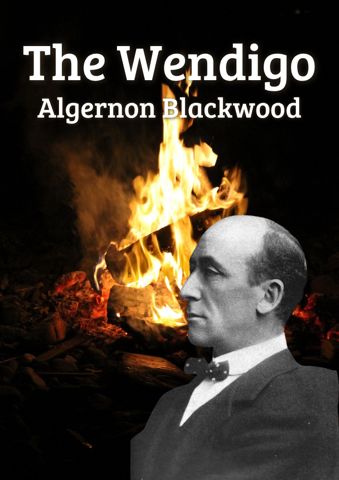
In 1910, Algernon Blackwood transformed a Canadian wilderness expedition into a horror story of progressive sensory failure. The title borrows from Algonquian linguistic roots, but the novel's monster is a literary adaptation by a British author and should not be taken as an authoritative record of diverse Indigenous beliefs.
Non-Spoiler Reading Guide:
After the hunting party separates, sounds, smells, distances, and testimonies begin to conflict with one another. The work rarely provides a stable, visible image of the monster; the true pressure comes from the scale of the forest exceeding the characters' ability to grasp it through rationality and tracking skills.
No film or television projects with incomplete evidence chains are recommended. Many later films, games, and internet urban legends have borrowed the name 'Wendigo' but do not necessarily adapt Blackwood's text; it is essential to distinguish between the namesake motif and direct adaptations during verification.
Selected digital source 10897 includes the complete four-chapter English novella. While historical phrasing may be preserved in the version, the introduction and annotations must clearly mark cultural origin issues and cannot replace the original text with modern popular tropes.
This piece profoundly influenced wilderness horror and cosmic horror, while also demonstrating how colonial literature appropriated Indigenous vocabulary. A responsible reading should clarify both its formal achievements and its cultural context simultaneously.
Miva: the next reading experience beyond audiobooks
Listen like an audiobook, then ask anything, anytime.
Start Miva's narrationMiva does not just narrate. It keeps explaining based on what you ask.