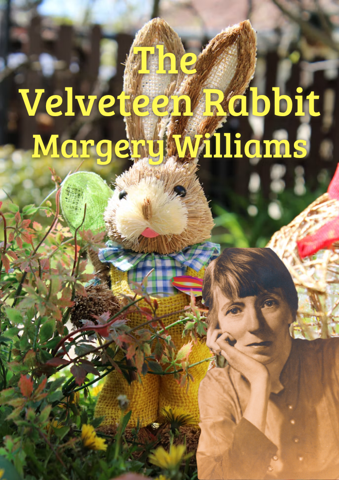
Background:
Published in 1922, this short children's story belongs to a tradition of animated toys and transformation tales while grounding fantasy in nursery wear, illness, hygiene, loss, and attachment. The emotional force depends on material change: becoming shabby records love rather than failure.
What kind of book is it?
A toy rabbit learns from an older nursery toy that becoming real is connected to being deeply loved. His bond with a child brings that promise into contact with time, damage, illness, and separation.
Literary style:
A gentle third-person narrator combines direct dialogue, repeated definitions of realness, sensory nursery detail, and a carefully paced transformation. Its brevity makes wording and illustration history especially important when identifying editions.
Reading focus:
The story defines reality through relationship rather than physical perfection. In the nursery, new mechanical toys possess prestige because they look impressive and perform visibly, while the Rabbit's value grows through repeated handling that wears away those very signs of newness. The Skin Horse offers experience rather than magic as the first explanation of becoming Real. Illness then changes the meaning of contact: the intimacy that made the Rabbit precious also places him inside adult rules about hygiene and disposal. This shift gives the short tale its unusual emotional seriousness. Readers can follow how texture carries the story—velveteen, fur, sawdust, rubbed surfaces, heat, tears, and grass all mark different ideas of life. The final transformation should not erase the earlier one produced by love; the tale deliberately lets emotional and magical meanings overlap. Editions matter because pictures control pacing and the perceived age of the audience. In its complete form, the work speaks as directly to adults familiar with attachment and loss as it does to children interested in toys becoming alive.
Director: Michael Landon Jr./Production: United States
Principal cast: Jane Seymour, Tom Skerritt, Matthew Harbour
Why this adaptation:
The 2009 production is useful precisely because it expands a short nursery tale into a live-action family plot with animated fantasy passages.
One important difference:
adds an extended live-action family story and uses animated fantasy passages to expand the brief nursery narrative.
Edition focus:
Because this is a short illustrated story, the relationship between Williams's prose and William Nicholson's original pictures matters more than chapter count.
Reading recommendation:
Choose an edition that credits the illustrator and reproduces the complete text; board-book condensations and picture-book rewritings may substantially shorten the nursery, illness, and transformation episodes.
Cultural significance:
The story remains a powerful reference for childhood attachment, grief, authenticity, and the lives imagined for toys. Adaptations often enlarge the family and plot, while the original achieves its effect through compression and the tension between physical wear and emotional value.
Relationship between author and work:
The story established Williams's lasting reputation and condenses her recurring concern with emotional reality, bodily vulnerability, and transformation into the material history of one toy.
Miva: the next reading experience beyond audiobooks
Listen like an audiobook, then ask anything, anytime.
Start Miva's narrationMiva does not just narrate. It keeps explaining based on what you ask.