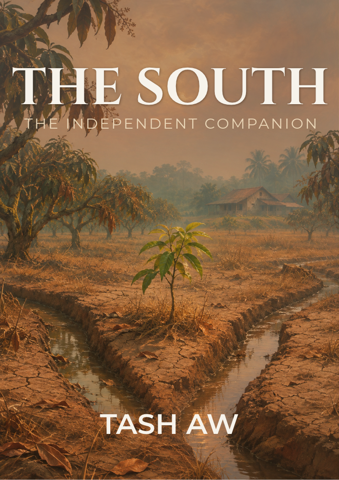
On a failing Malaysian estate during a season of heat and drought, a family’s inheritance draws a young man into desire, secrecy, and obligations he cannot yet name.
2025 Booker Prize, longlisted
Tash Aw begins a family saga with sixteen-year-old Jay, whose visit to the Lim estate exposes debts, class divisions, labor, sexuality, and the unstable promises attached to land. The guide keeps later consequences outside the frame and clarifies the novel’s shifts in intimacy and social position.
Aw’s sensory detail makes climate part of social life rather than decorative atmosphere. Heat changes sleep, work, privacy, temper, and the body’s awareness of other bodies. Family members speak about the estate as memory, asset, obligation, and possible escape, often without sharing the same facts. Reading their silences alongside the labor of people who maintain the property reveals how nostalgia depends on work and how inheritance can preserve inequality as readily as belonging.
The estate holds family prestige, financial strain, colonial residue, and unequal labor; every plan for its future redistributes risk.
Jay’s attraction develops within differences of wealth, age, language, and security that complicate any purely private reading of the relationship.
Drought and bodily discomfort intensify conflicts the family would prefer to manage through manners, silence, or nostalgia.
Track access as carefully as attraction: who enters which room, who controls transport or money, who can leave, and whose future is negotiable. The estate holds family prestige, financial strain, colonial residue, and unequal labor, so desire is never purely private. Jay’s limited understanding gives the novel its charge; the reader can infer class and historical pressures that he cannot yet name. This approach preserves uncertainty and suits the opening volume of a projected family saga rather than forcing premature answers.
Choose it for slow-burn literary fiction where atmosphere carries social information and a coming-of-age story cannot be separated from land, labor, family debt, and unequal freedom.
This is an independent chapter guide and summary, not the original book. It is designed for review and reading support and is best used alongside the full work.
Miva: the next reading experience beyond audiobooks
Listen like an audiobook, then ask anything, anytime.
Start Miva's narrationMiva does not just narrate. It keeps explaining based on what you ask.