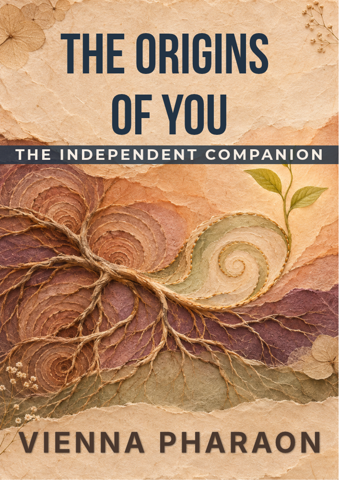
Adult conflict often activates expectations learned long before the current relationship began. Pharaon invites readers to examine family-of-origin wounds without reducing the past to blame or assuming insight alone will change a pattern.
A present-day argument may feel impossibly large because it is carrying an older question: Am I worthy, do I belong, can I trust, will I be protected, and do I matter enough to be prioritized? Pharaon's five origin wounds give readers a language for the hidden stakes that make familiar conflicts return with such force.
National bestseller.
The guide traces belonging, prioritization, trust, safety, and worth wounds; their protective strategies; and the recognition, grief, communication, and practice involved in choosing a different response.
Pharaon organizes family-of-origin pain around worthiness, belonging, prioritization, trust and safety. The guide helps readers distinguish these patterns and notice why two people may react very differently to the same silence, conflict or request.
Withdrawal, pleasing, control and hyper-independence can be intelligent responses to an earlier environment. Following their original function reduces blame while making their current relational price easier to see.
Naming a childhood pattern can explain a reaction without automatically rewriting it. This lens follows grief, communication, corrective action and repetition, helping readers move from a compelling origin story to choices available in the present.
This guide is designed for readers who recognize recurring conflict but cannot see why the same emotional stakes return. It maps each wound to its protection strategy and present-day consequences while preserving the book's central balance: understanding the past without remaining governed by it. Open the full book with a recent recurring conflict in mind. The wound categories become more useful when tested against a specific trigger, protective response and unmet need rather than adopted as a permanent identity. That concrete comparison turns family history into a present choice instead of a verdict about who you must remain.
Family reflection can surface painful memories and cannot establish facts that remain uncertain. Readers facing trauma, abuse, or severe distress should seek qualified, trauma-informed support.
Edition notice: This is an independent chapter guide and summary, not the original book. It is designed for review and reading support and is best used alongside the full work.
Miva: the next reading experience beyond audiobooks
Listen like an audiobook, then ask anything, anytime.
Start Miva's narrationMiva does not just narrate. It keeps explaining based on what you ask.