Guide to the Work
Background: The Father Brown series appeared during the period when classical detective fiction was taking shape. Readers were familiar with Sherlockian observation and deduction and expected even more bizarre puzzles. The Incredulity of Father Brown continues Chesterton's interest in rationality, faith, and paradox, often making cases appear supernatural or impossible, only to return to human weakness. The background is thus not just a crime scene, but an intellectual game about belief and disbelief. This context is more than a chronological note; it determines how the work understands power, desire, and personal choice. By grasping this historical context, readers can see the deeper cultural anxieties and value conflicts behind the plot.
Story Synopsis: This book collects several cases investigated by Father Brown. These cases often involve bizarre deaths, absurd testimonies, mysterious characters, and situations that seem to defy common sense, where others are either quick to believe in miracles or over-rely on surface rationality. Father Brown deconstructs mysteries through quiet observation and an understanding of sin. He does not flaunt his intellect but finds the key to solving crimes in the moral details others ignore, leaving the truth with both irony and mercy. When reading, one can view the plot as a series of tests: how characters face misjudgment, temptation, loss, or desire is often more important than the event itself. The progression of the story allows this classic to resonate with modern experience rather than remaining distant.
Literary Features: Chesterton's mystery writing relies not only on the arrangement of clues but on paradoxical language and ethical reversals. The stories often lead readers to believe a grand explanation before suddenly revealing the most mundane and human motives. Father Brown's detective method is unique: he does not view criminals as aliens but imagines himself capable of the same sins. This gives the work wit, theological resonance, and psychological depth. Its beauty lies not just in plot or language, but in how it transforms thought into palpable scenes and character actions. The reversals, contrasts, symbols, and tonal shifts give it layers worthy of re-reading, moving beyond mere genre entertainment.
Encyclopedia
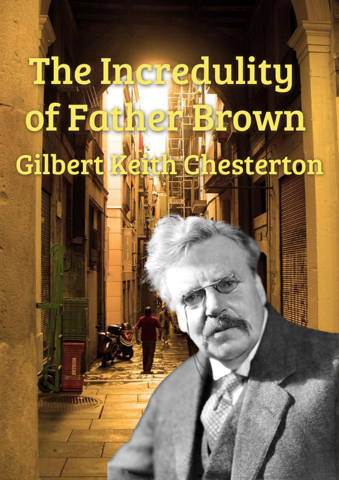
Author's Life: G. K. Chesterton was an English essayist, poet, novelist, and public debater known for his witty paradoxes and Catholic thought. His writing scope was vast, spanning literary criticism, political polemics, fantasy novels, and short stories. The Father Brown series allowed his ideas to circulate in their most popular form, naturally combining faith, guilt, and mystery entertainment. Understanding the author's life helps identify recurring themes: power, faith, identity, displacement, frustration, or the pursuit of beauty. These life experiences are not the sole explanation for the work but provide a solid entry point for reading.
Relationship between Author and Work: Father Brown reflects Chesterton's wariness of modern rational arrogance. The author does not oppose reason, but rather a rationality that believes only in visible evidence while ignoring the twists of the soul. The priest character allows him to transform confession, sin, and mercy into a detective method: understanding the criminal is not to glamorize the crime, but to know how humans deceive themselves. This ethical detective view is the unique core of the series. While reading this book, one can observe how the author's intellectual concerns are transformed into characters, plots, and narrative rhythms. The work does not simply state the author's position but allows these positions to be tested within the story, which is why classics can dialogue across eras.
Classic Reflections: Over the past decade, the BBC series Father Brown has continued to release new seasons, bringing the character into a warmer, more community-focused television rhythm. The series retains his characteristic of understanding crimes through empathy but downplays some theological debates in favor of fixed supporting characters and rural daily life. Compared to the sharp paradoxes and compressed feel of the original short stories, the series emphasizes companionship and episodic healing, suitable for modern long-term viewing. This comparison is not to treat the adaptation as a replacement for the original, but to see how the same set of questions is reorganized across different media. Film often amplifies visuals, pacing, and contemporary issues, while the original retains finer linguistic layers and intellectual logic."
Miva: the next reading experience beyond audiobooks
Listen like an audiobook, then ask anything, anytime.
Start Miva's narrationMiva does not just narrate. It keeps explaining based on what you ask.