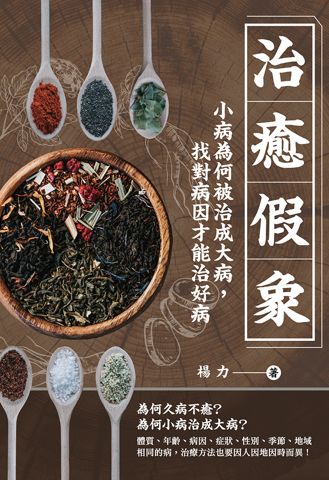
There are no incurable diseases in the world, only delayed treatments.
Many people become their own doctors after long illnesses, walking into pharmacies and demanding specific medications for specific conditions. However, the more medicine they take, the more they seem to need. Why is this? This is the science of truly curing a disease—do you really know how to treat an illness?
▎Same Disease, Different Body—Constitution
• Why do people with the same disease have such different reactions?
• Why are some people extremely resistant to cold while others are abnormally sensitive to it?
Constitution refers to the relatively stable inherent characteristics of human functional and morphological adaptation to the natural and social environment, formed by inherited genetics and influenced by various postnatal factors. It reflects the specific form of Yin and Yang movement within the body, determined by the abundance or decline of the internal organs and based on Qi and blood.
► Pro-tip: Constitution is closely related to health preservation and disease resistance. Given the same pathogenic conditions, some people get infected while others remain unharmed. This shows that constitution determines susceptibility to certain pathogenic factors, providing an important theoretical basis for prevention and health maintenance.
▎Same Disease, Different Causes—Etiology
Can an obsession with video games and a love for grilled skewers trigger epilepsy?
Taking laxatives for constipation might offer temporary relief but could lead to worsening chronic constipation!
Etiology is the study of the causes that lead to the occurrence of a disease. It primarily includes the interaction between pathogenic factors and conditions. Pathogenic factors refer to specific elements that can cause a certain disease, while conditions are the factors that determine the development of the disease once the pathogenic factors act upon the body.
► Pro-tip: First, use various diagnostic methods to distinguish between different syndromes, conduct a comprehensive analysis of the patient's various factors, and study the cause. Only then should a proper treatment method be determined. Otherwise, not only will the disease remain uncured, but new symptoms may arise, or the condition may even be severely delayed.
▎Same Disease, Different People—Age
Why are the elderly more prone to chronic bronchitis?
Why are men over forty more likely to experience kidney deficiency?
There are significant individual differences between people, manifesting not only across different races but also between individuals. Different individuals have different psychological and physiological characteristics, and their susceptibility to disease varies. This requires us to approach disease prevention and resistance with dialectical thinking. Treating the person, not just the disease, is the only way to benefit physical and mental health and achieve longevity.
► Pro-tip: Age is closely related to the abundance or decline of Qi, blood, and internal organs. Throughout the process of growth, development, maturity, aging, and death, the essence and Qi of the five internal organs transition from abundance to decline, affecting physiological activities and determining the response capacity and types of diseases across different age groups.
★ Book Features: Based on her own experience and common questions raised by patients, the author introduces the essence of Traditional Chinese Medicine (TCM) diagnosis. This book embeds profound medical theories within common cases, explained in simple terms that are easy to understand. It also covers TCM health preservation and the prevention of common diseases, offering rich content and practical methods suitable for anyone interested in Chinese medicine.
Miva: the next reading experience beyond audiobooks
Listen like an audiobook, then ask anything, anytime.
Start Miva's narrationMiva does not just narrate. It keeps explaining based on what you ask.