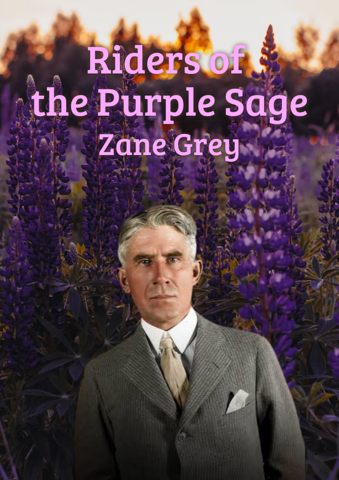
Background:
Published in 1912, Grey's Western combines spectacular Utah landscapes, pursuit, cattle conflict, gunfighter mythology, religious coercion, and contested property. Its criticism of a fictionalized Mormon community is central to the plot but also relies on broad stereotypes that should not stand in for historical scholarship.
What kind of book is it?
Rancher Jane Withersteen faces organized pressure over her independence and property until the arrival of the gunman Lassiter changes the balance of power. Interlocking flight and rescue plots test whether freedom can be secured through violence, secrecy, or withdrawal.
Literary style:
Panoramic landscape description alternates with melodrama, pursuit, hidden identity, and action staged through distance and visibility. Color, rock, weather, and open space function as moral atmosphere rather than neutral scenery.
Reading focus:
Landscape is an active force in the novel. Open sage, water sources, hidden valleys, cliff paths, dust, color, and distance determine who can move, hide, pursue, or imagine freedom. Jane Withersteen's property gives her unusual independence, but it also makes her vulnerable to organized pressure that presents coercion as communal authority. Lassiter's mastery of violence appears to offer protection while raising a harder question about whether armed power can create a durable alternative to the power it opposes. The linked Venters story tests escape through another route, using hidden identity and secluded space to reconsider loyalty and possession. Readers should distinguish Grey's fictional religious community from historical evidence; the novel's stereotypes are part of its melodramatic design and political limitation. At the same time, its treatment of a woman resisting control over land, marriage, and conscience gives the conflict more than a conventional gunfighter frame. The purple sage becomes memorable because beauty and threat occupy the same terrain, making every refuge provisional and every route morally charged.
Director: Lynn Reynolds/Production: United States
Principal cast: Tom Mix, Mabel Ballin, Warner Oland
Why this adaptation:
The 1925 silent feature is a Tom Mix star vehicle and a useful example of how early Hollywood converted Grey's linked conflicts into action-centered Western cinema.
One important difference:
compresses the novel into a star vehicle, emphasizing Lassiter's action and simplifying the linked family and religious conflicts.
Edition focus:
Complete editions retain twenty-three chapters and the linked Jane Withersteen and Venters plots; abridged Western editions may reduce the book to Lassiter's gunfighter story.
Reading recommendation:
Contextual notes on Utah, Mormon history, and Grey's fictional stereotyping help readers evaluate the novel's religious conflict without treating it as documentary history.
Cultural significance:
The novel became one of the defining popular Westerns and repeatedly returned to silent and sound film. Its landscape and individualist myth remain influential, while its religious stereotypes, gender politics, and faith in armed mastery invite critical re-reading.
Relationship between author and work:
This novel became Grey's signature bestseller and crystallized the landscape, gunfighter ethics, property conflict, and melodramatic revelation that later publishing and film turned into a recognizable Western formula.
Miva: the next reading experience beyond audiobooks
Listen like an audiobook, then ask anything, anytime.
Start Miva's narrationMiva does not just narrate. It keeps explaining based on what you ask.