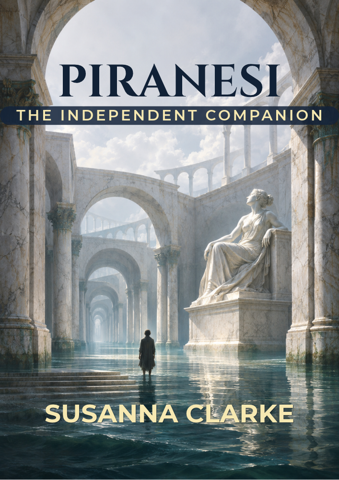
Piranesi knows the tides, the statues, and the dead of the House better than anyone alive. What he does not know is why another man controls the questions, why his journals contain missing years, or why evidence of other lives keeps appearing in a world he believes is complete.
Susanna Clarke makes the House feel at once infinite, sacred, and dangerously enclosed. Piranesi's dated journals supply the evidence, but his generous voice determines what he can initially understand. The guide helps readers follow discoveries, journal references, and changing names without disclosing the late solution. It also preserves the novel's central uncertainty: whether the House is a prison, refuge, living system, or some combination of all three.
Piranesi is observant but not fully informed. Notice the difference between what he records accurately and the explanations he has been taught to accept.
Catalogues, maps, rituals, and research can protect a world or dominate it. The guide tracks who names things, withholds information, and claims authority.
Memory loss does not make identity empty. Recurring habits of kindness, curiosity, and attention become evidence of continuity when biography fails.
This guide suits readers drawn to literary fantasy, philosophical mysteries, unreliable knowledge, and compact novels that reward rereading. It separates clues from interpretation and marks shifts in Piranesi's understanding while keeping the decisive revelations intact.
Edition notice: This is an independent chapter guide and summary, not the original book. It is designed for review and reading support and is best used alongside the full work.
Miva: the next reading experience beyond audiobooks
Listen like an audiobook, then ask anything, anytime.
Start Miva's narrationMiva does not just narrate. It keeps explaining based on what you ask.