Chinese Proofreading Correspondence: Formal Draft SHA-256 3598afe94accac24
Background:
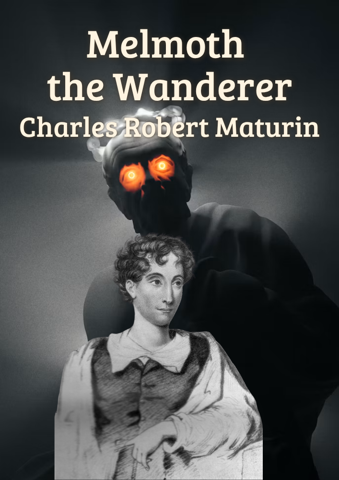
Published in 1820, this book stands at the end of the first wave of Anglo-Irish Gothic novels. Maturin weaves religious compulsion, colonial movement, imprisonment, and the temptation of extended life into a four-volume epic; the horror stems not only from Melmoth himself but from how individuals weigh freedom in desperate circumstances.
Non-Spoiler Reading Guide:
The dying John Melmoth leaves behind fragmentary evidence of an ancestor, leading to a pursuit that continuously opens stories of prisoners, families, manuscripts, and witnesses. The framework is layered with nested narratives; readers must judge how much information each narrator possesses and who is actually required to pay the price for a seemingly merciful offer.
Film versions lacking complete filmographies or evidence of textual differences are not listed. The true difficulty of this novel lies in its multi-layered narrative and cross-regional timelines; a single adaptation that only retains the immortality contract often fails to represent the original four-volume work.
This text is a sequential merger of selected digital source texts from four volumes (53685 to 53688); no single volume constitutes the complete book. During proofreading, the beginning, end, and transition points of each volume should be verified; citations should also retain original volume information to avoid mistaking embedded stories for independent works.
The wandering tempter, documentary testimony, and international settings profoundly influenced later Gothic and fantasy fiction. Reading it today also requires confronting the work's anti-Catholic tradition and its historical depictions of Jewish, colonial, and non-European figures, rather than treating it merely as a Faustian adventure.
Miva: the next reading experience beyond audiobooks
Listen like an audiobook, then ask anything, anytime.
Start Miva's narrationMiva does not just narrate. It keeps explaining based on what you ask.