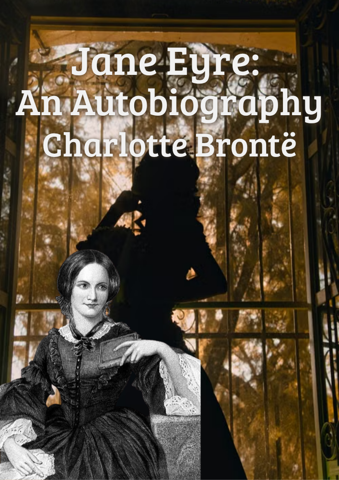
Background:
Published in 1847 under the name Currer Bell, Jane Eyre combines Bildungsroman, domestic fiction, Gothic suspense, religious debate, and first-person autobiography. Its heroine's claims to moral and emotional equality operate within institutions that regulate class, gender, education, labor, property, disability, and empire.
What kind of book is it?
Jane narrates her movement from dependent childhood to work as a governess and a relationship that tests affection against conscience and autonomy. The guide avoids disclosing later revelations while emphasizing that romance is inseparable from employment, inheritance, and the right to speak for oneself.
Literary style:
Retrospective first-person address, symbolic landscapes, dreams, Gothic sounds, direct appeals to the reader, and shifts between realism and romance create extraordinary intimacy. That intimacy is ethically complicated because Jane's perspective also limits how other women, servants, and colonial histories are represented.
Director: Cary Joji Fukunaga
Production country: United Kingdom / United States
Cast: Mia Wasikowska, Michael Fassbender, Judi Dench
Why it matters: A useful, identifiable screen version for comparison.
Difference from the book: opens with Jane's flight and uses flashback, compressing childhood and religious debate around the central relationship.
Main editions and translations:
the selected digital edition provides the complete English novel in 38 chapters. This new record uses a new identifier and preserves the full title; it is not an overwrite of Miva's earlier product or an abridged school edition. Modern editorial matter and illustrations require separate rights review.
Reading recommendation:
The complete English novel has thirty-eight chapters and first appeared under the name Currer Bell. Children's abridgments often remove substantial material on religion, education, work, and property. Confirm the chapter count before choosing an edition; introductions and illustrations vary separately.
Cultural significance:
The novel remains powerful because self-respect, desire, faith, and economic independence are never allowed to collapse into one another. Contemporary reading also examines Bertha Mason and the Caribbean inheritance that supports the English household, widening the frame beyond a purely individual triumph.
Place in the author's writing:
The novel established many of Brontë's enduring concerns: female self-definition, spiritual equality, education, labor, and the dangers of authority disguised as care. Its first-person intensity differs from the multiple narrators of her later Villette, yet both works test how a woman can tell her own history within institutions that try to define her from outside.
Miva: the next reading experience beyond audiobooks
Listen like an audiobook, then ask anything, anytime.
Start Miva's narrationMiva does not just narrate. It keeps explaining based on what you ask.