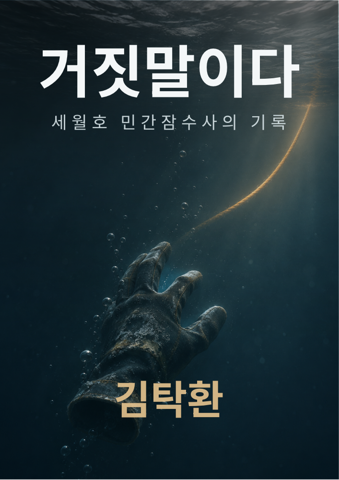
By following the physical bodies and memories of the civilian divers deployed to the Sewol ferry disaster site, the novel reveals how the state and organizations that spoke of rescue shifted risk and responsibility onto individuals.
33rd Yosan Kim Jeong-han Literary Prize, Winner
Through the perspective of civilian diver Na Kyung-soo, Kim Tak-hwan connects the search site, camaraderie, decompression sickness, investigations, prosecutions, and post-disaster livelihoods. This guide clarifies that the novel deals with an actual disaster and helps readers distinguish between the characters' personal experiences and institutional criticism.
The novel's timeline does not stop on the day of the disaster. The subsequent treatment, investigations, trials, unemployment, and family relationships illustrate the long-term cost of rescue labor. When Na Kyung-soo's memories conflict with official explanations, readers are forced to question who creates records and which bodies are accepted as evidence. The jokes and solidarity among fellow divers, rather than glorifying tragedy, show the concrete ways people who took on risks supported one another.
Descriptions of water pressure, visibility, equipment, decompression, and fatigue reveal labor conditions and long-term injuries that hero narratives often erase.
The novel tracks how words used in the field command system and post-disaster investigations turn organizational failures into the personal choices of individual divers.
A narrative based on a real disaster must allow voices pushed out of official records to be heard without consuming the pain of others.
By distinguishing between field experience, post-event memories, investigative claims, and peer testimony, it becomes clear that the "lie" in the title refers to a broad institutional denial rather than a single person's statement. The descriptions of pressure, visibility, and fatigue highlight labor conditions often erased by hero stories. While not equating the fictional characters exactly with real people from the Sewol disaster, readers should observe how the novel restores the voices of civilian divers pushed out of official records. It deals with death, trauma, physical damage, and the evasion of responsibility.
This guide is suitable for readers who want to read about labor conditions, testimony, and state responsibility without reducing the disaster to a personal hero story or simple accusation. It offers deep insight for those interested in the boundary between social novels and reportage-style narratives, and the ethics of treating real events as fiction.
This product is an independently produced chapter-by-chapter guide and summary, not the full text of the original work. Please use it alongside the original work for review and reading assistance.
Miva: the next reading experience beyond audiobooks
Listen like an audiobook, then ask anything, anytime.
Start Miva's narrationMiva does not just narrate. It keeps explaining based on what you ask.