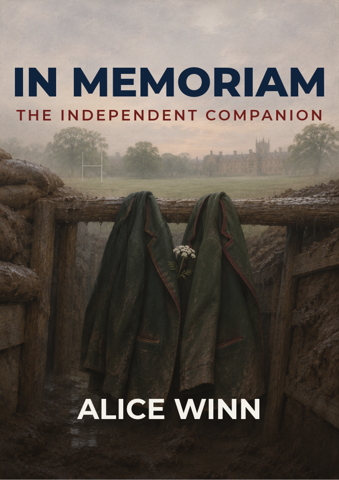
At school, Henry Gaunt and Sidney Ellwood can hide desire behind rivalry, poetry, and the rules of friendship. The First World War destroys that shelter. In the trenches, what remains unsaid becomes as dangerous as shellfire—and survival offers no promise that either man will return unchanged.
Alice Winn sets youthful certainty against industrial war, using letters, casualty notices, poems, and the school newspaper to show how public language edits private truth. The guide follows the chronology, separations, reunions, and shifts in what Gaunt and Ellwood believe they are allowed to want. It distinguishes documented wartime structures from fictional lives without reducing the novel to historical background.
Letters can confess, disguise, arrive late, or never arrive. Track how incomplete communication changes choices before either man can correct the record.
School codes and military discipline reward endurance while punishing vulnerability. The novel tests the cost of performing courage for institutions and for one another.
Memorial language turns individuals into names and ideals. The guide keeps attention on the unruly bodies, desires, guilt, and grief that official remembrance cannot contain.
For readers of historical fiction, queer romance, war literature, and emotionally intense dual-character narratives, the guide clarifies movement across school and battlefield while avoiding late outcomes. The novel depicts combat injury, death, trauma, homophobia, and sexual situations.
Edition notice: This is an independent chapter guide and summary, not the original book. It is designed for review and reading support and is best used alongside the full work.
Miva: the next reading experience beyond audiobooks
Listen like an audiobook, then ask anything, anytime.
Start Miva's narrationMiva does not just narrate. It keeps explaining based on what you ask.