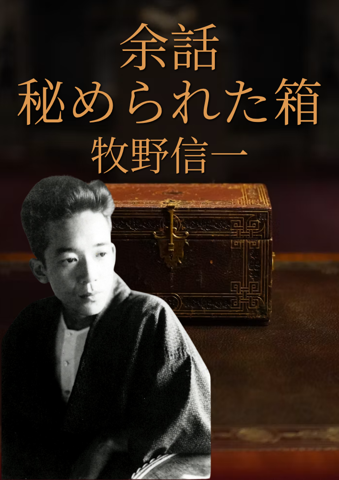
Background:
An essayistic short story that traces his mother's book box and childhood reading memories to look back on how Shin'ichi Makino encountered literature. The Aozora Bunko work card records the first publication as "first publication data not listed."
Synopsis:
The narrator grows increasingly curious about the contents of the black book box his mother reads every night and unlocks it while she is away. The encounter with the magazines, novels, and illustrations lined up there is recalled along with the guilt of the forbidden act. What lay beyond the lock was not just forbidden books. It is where the reading time his mother hid overlaps with the beginning of the narrator's own literature.
Literary Features:
Rather than a story that solves a mystery, it reconstructs memories from fragments such as book titles, cover designs, and his mother's expressions. Self-criticism and humor are mixed into the soft narrative of the old kana usage, and a private library becomes an entrance to literary history.
Key Elements:
Using "secret book box, memory, sense of literary labyrinth" as entry points, we want to follow the moments when objects and places turn into evidence and the points where the first impression of a title deviates.
Reading Guide:
The omission and structure of the short story are easier to see if you track how the information at the beginning is rearranged through explanation, dialogue, and scene transitions. You should also check the pace of the writing using the rubi (furigana) and paragraphs as clues.
Currently, no visual adaptations are recorded.
The included text is the Japanese XHTML version published by Aozora Bunko. The source book listed on the work card is "Nihon no Mei Zuihitsu Bekkan 69: Himitsu" (Masterpieces of Japanese Essays Supplement 69: Secrets), published by Sakuhinsha. This edition, which preserves the rubi, paragraphs, and kana usage, is suitable for experiencing the work's unique style—where memories are reconstructed from fragments like book titles and cover designs in a soft narrative mixed with humor. The introduction, where the narrator unlocks the box out of curiosity, is most effective when read in this text that maintains the original paragraph breaks and tone. Since the original magazine publication and the later source book are different materials, care should be taken not to confuse the publication dates. To the extent confirmed, there is no translated edition with standardized translator, publisher, and publication year; when choosing a foreign language version, priority should be given to those that clearly state the translator and source text.
This work serves as a clue to understanding Makino's own literary formation and recounts his contact with preceding writers such as Kyoka Izumi. It can be read as a piece showing what kind of secrecy and visual appeal of books attracted this author of fantasy fiction. The method used here—reconstructing memory from fragments like book titles and expressions—serves as a clue to distinguish how the author handles the same subject matter in other works. When comparing it with works by the same author, focusing on the narrator's range of knowledge, the method of delaying explanations, and the distance between reality and fantasy makes the unique position of "Digression: The Hidden Box" clear.
Miva: the next reading experience beyond audiobooks
Listen like an audiobook, then ask anything, anytime.
Start Miva's narrationMiva does not just narrate. It keeps explaining based on what you ask.